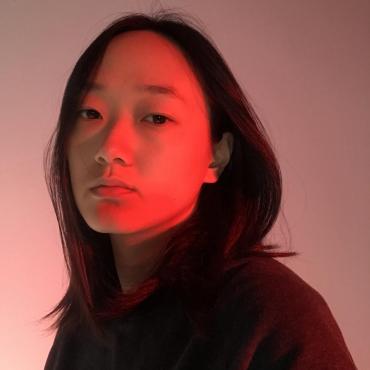
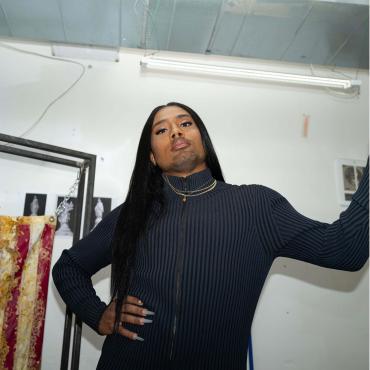
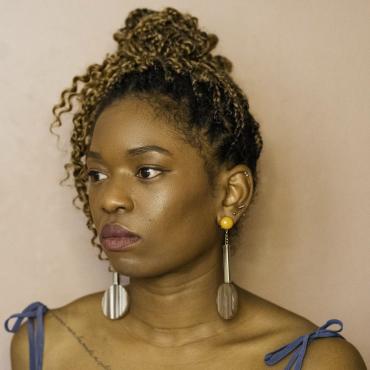
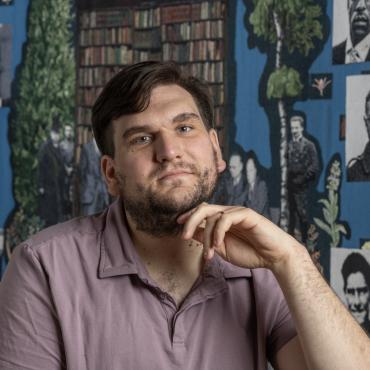
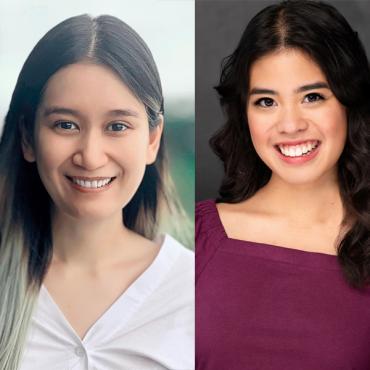
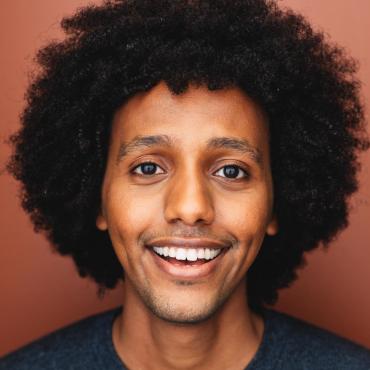
Shen Xin practices empowering alternative histories, relations, and potentials between individuals and nation-states. Their interests lie in understanding culture on its own terms. Seeing it as an active commitment to the learning, teaching and engaging with relating to places as land, their work opens up to inhabiting the multitudes of the selves through the lens of time. Engaged with moving image, video installation, public event and collective process, Shen Xin imagines and creates affirmative spaces of belonging that embrace polyphonic narratives and identities.
Xin’s solo presentations include ས་གཞི་སྔོན་པོ་འགྱུར། (The Earth Turned Green) (Swiss Institute, New York, 2022), Brine Lake (A New Body) (Walker Art Center, Minneapolis, 2021), Double Feature (Schirn Kunsthalle Frankfurt, 2019), Synthetic Types (Stedelijk Museum, 2019), To Satiate (MadeIn Gallery, Shanghai, 2019), Warm Spell (ICA, London, 2018), and half-sung, half-spoken (Serpentine Galleries, London, 2017). Their group exhibitions include Language is a River (MUMA, Melbourne, 2021), Minds Rising, Spirits Tuning (Gwangju Biennale, 2021), Sigg Prize (M+ Museum, Hong Kong, 2019), Afterimage (Lisson Gallery, London, 2019), and Songs for Sabotage (New Museum Triennial, New York, 2018). They received the BALTIC Artists’ Award (2017) and held the Rijksakademie residency in Amsterdam (2018-19).
FELLOWSHIP STATEMENT
I seek to create works that inherit and speak to values concerning culture and ecology. I’d like to develop a body of works that are connected to the role of being a student towards restorative relationship with the land. In these upcoming years, I’d like to learn how to better listen to the unknown and known spaces of one’s multitude, and to become familiar with ways of being accountable to language, image, sound and space. I’d like to affirm both through context of what is spoken and how it is spoken, that the human speech is but a part of what the earth speaks. Through learning and embodying the sensorial affinity within and between languages, I imagine encounters with ways back to the coherence of relations, between human language and ecology. Having worked with translations of many different languages, it is of interest to me to understand the inter-lingual world, where translations between one and others activate the resources of various languages with respect to one another. I’d like to hold languages as soil, and as soil, languages inscribe us into various depths in relation to their expressive vitality through time, to facilitate the relinquishment of language’s human exclusivity.